
Hold-and-Win in 2026: Why the Mechanic Has Become a Standard of Modern Slots
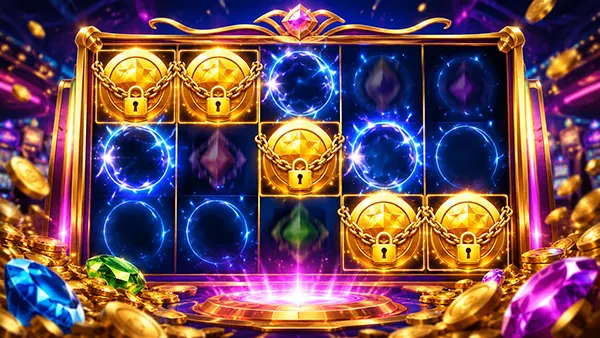
Hold-and-Win has developed from a recognisable bonus feature into one of the recurring design formats of modern online slots. By 2026, the term appears in game names, studio collections and new releases from numerous developers, while closely related versions are also marketed as Hold & Spin, Lock and Win or under studio-specific labels. The attraction of the format is relatively simple: it gives players a clear bonus objective based on collecting symbols while giving developers enough room to change the grid, jackpots, multipliers and supporting features. As a result, two Hold-and-Win games can look and behave very differently while still sharing the same basic idea.
From Bonus Feature to a Recognisable Slot Format
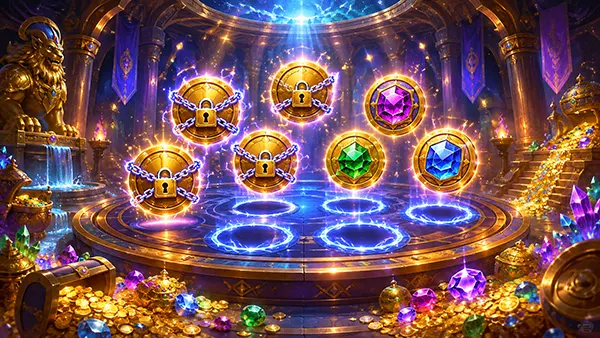
The basic Hold-and-Win structure is easy to identify. A player normally triggers a separate bonus round by landing a required number or combination of special symbols, often coins or other icons displaying monetary or multiplier values. The qualifying symbols remain fixed while the unoccupied positions are respun. When another eligible symbol lands, it is usually held as well, and in many versions the remaining-respin counter is restored. The round finishes when no attempts remain or when another defined end condition is reached. Exact rules differ between games, so the familiar concept should not be mistaken for a universal set of identical rules.
What changed over time was the role of this mechanic within the slot itself. In many earlier designs, a respin feature was simply one bonus among several. By 2026, developers frequently build an entire game identity around Hold-and-Win. Playson, for example, has numerous current releases carrying “Hold and Win” directly in their names, including Timeless Diamonds: Hold and Win, 4 Supercharged Clovers: Hold and Win and 4 Chili Pots: Hold and Win. Pragmatic Play uses the closely related Hold & Spin wording in titles such as Joker’s Jewels Hold & Spin. BGaming also maintains a substantial catalogue of games where Hold & Win is positioned as the central bonus concept rather than a secondary extra.
The flow of releases during 2026 shows how firmly the format has become established. Timeless Diamonds: Hold and Win was released by Playson in March with a compact 3×3 structure, multipliers, a Collect symbol and in-game jackpots. BGaming launched Shark & Spark Hold & Win in May using a much larger 5×6 layout combined with cascading wins and an alternative bonus structure. Playson’s 4 Chili Pots: Hold and Win followed in July with several feature combinations inside its bonus modes. These games share a recognisable Hold-and-Win foundation, but their layouts and additional mechanics are sufficiently different to show that the term now describes a broader design family.
Why the Core Loop Is Easy to Follow
One reason for the mechanic’s longevity is visual clarity. During a typical Hold-and-Win bonus, the symbols already collected remain visible, empty spaces indicate where another symbol may appear, and a limited number of remaining attempts gives the sequence an obvious beginning and end. A player does not need to follow several paylines or evaluate a large number of regular symbol combinations during each respin. The screen itself communicates much of what is happening: occupied positions are retained and unused positions remain available for the next attempt.
That simplicity does not mean every game follows the familiar “six coins and three respins” model. Developers regularly change both entry conditions and the number of attempts. BGaming’s Gold Rush with Johnny Cash Hold & Win, for example, activates its bonus after six or more Coin symbols and begins with six respins rather than three. Piggy Bank Hold & Win from the same studio uses a different structure, with three specific symbols across the middle row acting as the bonus trigger. Variations like these demonstrate why players should read the individual game rules instead of assuming that a familiar feature name guarantees familiar conditions.
Hold-and-Win also provides a convenient framework for additional prizes and modifiers. Jackpot symbols can be placed directly into the locked-symbol sequence, while Collect, Mystery or Multiplier symbols can change the final value without replacing the underlying respin concept. Some games reward a completed grid, others attach jackpots to specific symbols, and others allow special characters to alter stored values. The familiar base therefore remains understandable even when a developer adds another layer to the bonus. This balance between recognition and variation is a major reason the mechanic has continued appearing across very different slot catalogues.
How Studios Keep a Familiar Mechanic Fresh in 2026
The most visible change in current Hold-and-Win design is that developers no longer treat the locked-symbol grid as a fixed space. Modern versions can enlarge the board, open extra positions or move the bonus into a different layout from the main game. This changes what can happen during the feature without making the central idea difficult to understand. A larger board creates more possible positions for collectible symbols, while a changing board gives the bonus a sense of progression that a traditional static respin screen does not provide.
Playson has used this approach repeatedly. In 4 Supercharged Clovers: Hold and Win, released in early 2026, the Super Bonus Game expands to a 5×5 layout and introduces a Super Jackpot valued at up to 10,000 times the bet. Its bonus play can also involve Multi, Collect and Mystery effects linked to different Clover symbols. Later in the year, 4 Chili Pots: Hold and Win combined its Hold-and-Win bonus with coloured Chili features that determine which modifiers become active. The familiar locked-symbol idea remains present, but the value of an individual bonus sequence can be influenced by several additional events.
BGaming has taken the same general format in other directions. Shark & Spark Hold & Win places its action on a 5×6 grid and combines Hold-and-Win ideas with pay-anywhere wins and cascading symbols. Golden Paw Hold & Win uses a dynamically expanding board, while Piggy Bank Hold & Win allows different characters to influence the bonus by restoring spins, applying multipliers or increasing the available grid. These examples are important because they show that developers are not merely changing themes while reproducing the same bonus. They are using Hold-and-Win as a foundation onto which substantially different game systems can be attached.
Why Hold-and-Win Fits Different Slot Styles
The format is unusually adaptable to different grid sizes. Timeless Diamonds: Hold and Win uses only nine positions on a 3×3 grid, preserving the appearance and straightforward rhythm associated with classic slots. Shark & Spark Hold & Win operates on a 5×6 field with significantly more screen space and additional mechanics. Both can still be identified as members of the same Hold-and-Win family because the underlying emphasis remains on collecting and retaining designated symbols during bonus play. This makes the format useful for developers working with either simple retro designs or more feature-heavy releases.
The same flexibility applies to visual themes. Coin collections and jackpots work naturally in fruit machines and traditional casino-style designs, but the concept can also be represented by gems, pearls, animals, magical objects or other theme-specific items. The bonus therefore does not depend on a particular setting. Developers can retain the recognisable rhythm of locking and collecting symbols while giving each release its own visual identity and special modifiers. This has helped prevent Hold-and-Win from being tied exclusively to one generation or category of slot design.
There is also evidence that Hold-and-Win titles remain commercially relevant rather than surviving only through familiarity. In July 2026, 1spin4win published its five strongest releases from the first half of the year based on bet count, and two of those games — Gold Oceanica Hold and Win and Cash’n Fruits 256 Hold and Win — used the format. Octoplay has meanwhile described Fire Rail Express: Hold & Win as one of its stronger-performing titles in the United States. Such examples do not prove that every Hold-and-Win release will perform well, but they help explain why studios continue to invest in variations of a mechanic already well understood by players.
What Players Should Understand Before Playing Hold-and-Win Slots
A recognisable mechanic does not tell a player everything that matters about a game. RTP, volatility, maximum payout, trigger conditions, jackpot rules and optional bonus features can differ considerably between titles carrying similar Hold-and-Win labels. Even two games from the same developer may use different numbers of starting respins or completely different requirements for entering the bonus. Players therefore benefit from treating “Hold-and-Win” as a description of the general format rather than a guarantee of particular mathematics or payout behaviour.
RTP deserves particular attention because a visually prominent bonus does not mean that the feature has a separate or automatically favourable return. The displayed RTP normally describes the theoretical long-term return of the game under specified conditions, not the expected result of one Hold-and-Win round. A large jackpot value or a grid filled with collectible symbols can make the potential reward easy to see, but it does not provide information about how frequently the relevant outcome occurs. The game information and paytable remain more useful than assumptions based on the appearance of the bonus.
Jackpot structures also require individual checking. Some Hold-and-Win slots use fixed jackpot values expressed as multiples of the bet, while other designs may connect a jackpot to a particular symbol or a completed grid. Additional Collect or Mystery symbols can create further conditions. Even when two games show familiar Mini, Minor, Major or Grand-style labels, the rules for awarding them may not be the same. Reading the rules before playing is particularly important in a format where familiar visual conventions can make different games appear more alike than they actually are.
Why “Standard” Does Not Mean “Identical”
Calling Hold-and-Win a modern slot standard is therefore most useful when “standard” refers to a recognisable design language rather than a fixed technical specification. Players generally know what locked prize symbols, an empty bonus grid and a respin counter imply, just as they understand the broad purpose of free spins or wild symbols. Developers can build on that familiarity without having to introduce an entirely unfamiliar bonus concept in every new release. The result is a format that is consistent enough to recognise but flexible enough to support different rules.
The 2026 release schedule illustrates this distinction clearly. Current Hold-and-Win games range from small 3×3 arrangements to 5×6 layouts, while modifiers include multipliers, collection effects, mystery values, additional respins and expanding grids. Some games combine the format with cascades or alternative bonus rounds, while others deliberately keep the structure close to a traditional fruit slot. The common element is not one specific trigger, jackpot value or number of respins. It is the broader idea of building a bonus around retained symbols and repeated attempts to add further values.
That familiarity should not be confused with player control over the outcome. In regulated online slots, game results are determined according to the game’s approved random mechanics; retaining a symbol does not allow the player to predict which value will appear next or when the bonus will end. The visible progression can make a Hold-and-Win round feel different from ordinary reel spins, but it does not turn the feature into a skill-based game. For practical play, the useful approach remains simple: check the stated rules, RTP and betting limits, set a spending limit in advance and treat jackpots and maximum-win figures as possible outcomes rather than expected results.